TikTok’s Terms of Service and Privacy Policy demonstrate how platform governance gives TikTok significant power over users’ content and data, while users retain some forms of control and resistance through privacy settings, content management and data rights.
What did you actually agree to?
When users agree to the Terms of Service of TikTok, they are actually accepting more than the basic rules of using the app; rather, the terms have set out how TikTok can use their users’ content and how the platform will manage participation.
For example, TikTok’s Terms give the platform a broad licence to use user-generated content. The licence is described as unconditional, irrevocable, royalty-free, fully transferable and perpetual (TikTok, 2025). Where the users may still own their content, however, when the agreement is made, the extensive rights of how the content may be used are given to the hands of the platform.
TikTok has also stated that it has the power to remove or block content at its discretion when it does not comply with the platform’s rules. This shows that users do not have complete control over what will happen to their content after they have uploaded it.
Those terms demonstrate how the platform’s power is built into the conditions of participation. Users can create and upload content; however, TikTok establishes the rules and determines how the content can be used and whether it is able to remain on the platform. (TikTok, 2025)
Therefore, when agreeing to the Terms and Service, it is not simply agreeing to use TikTok, but rather it also means that users have to accept the conditions under which TikTok manages users’ content and participation.
Who decides what you see?
After you have posted your video, it doesn’t mean that the control of TikTok stops. Have you wondered why some videos are so popular while other many barely be seen?
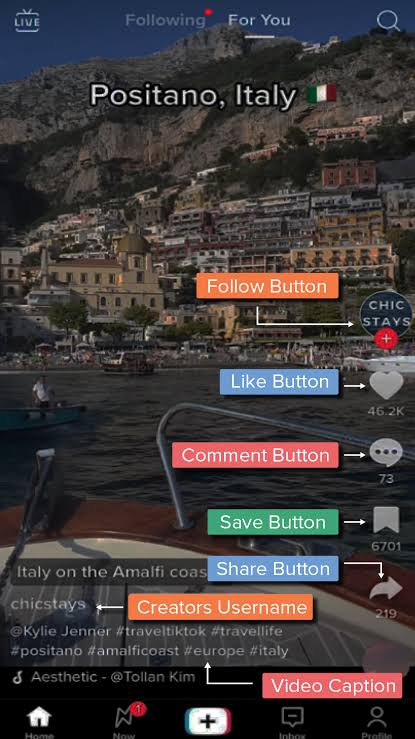
This is where visibility moderation become a impaornt part, and Kaye (2022, p. 81) explains that platforms are able ot amplify ot suppress the visibility of content generated by users through algorithms and platform rules. The For You page on TikTok plays an important role in recommending content to its users.
Algorithms do more than just recommend content; they can use the information collected through users’ behaviour and activity to make predictions about what users are going to be interested in. This kind of prediction can influence which content users see and which advertisements they receive from the platform (Srivastava, 2021, pp. 989–991).
Which indicates that TikTok is not a space where users can freely find content. The platform’s technical system can help to shape what can be visible. How the video will reach the audience depends more on how the platform’s system recommends and distributes it once the video is uploaded by the users.
While those systems rely heavily on the detailed information collected through users’ behavior, users may not understand how these decisions are made. Which creates an important form of platform power; TikTok has the ability to influence the visibility and distribution of the content without users directly seeing how those decisions are made behind the system.
What happens to your data?
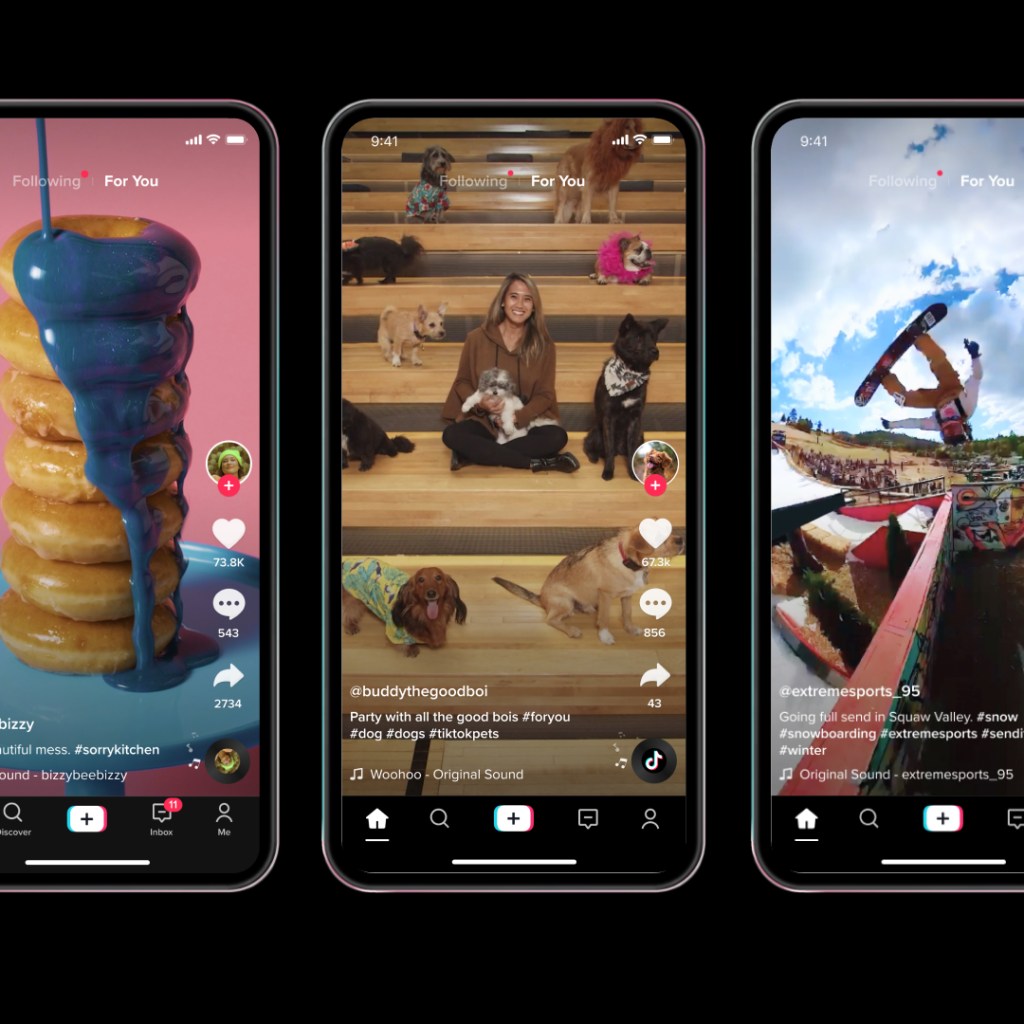
TikTok collects that information about the users: interaction with the platform, including what they watch, like, search for, and follow. In which this information will be used to personalise content and advertising.
When everyday online activities turn into data that can be collected and analysed, it is connected to the idea of datafication. Kazansky (2021, p. 1) suggested that because the process of data is complex and unclear, it is hard for ptople ot fully understand how it operates.
In which create a gap between what users know and what they plafottm cna do with their data. The users may understand that their information has been collected through their activity but doesn’t necessary iunderstand how the information is processed and controuendt ot personalised experience on the platform.
Therefore, when the users agree to the Terms and Services of TikTok, they are not simply agreeing to the basic rules of using the app, but rather they are participating in a system where their activities can become data that heri the shapes the experience when using the platform.

Where does TikTok’s power come from?
The power of TikTok does not come from this one feature alone. It is a continued outcome of their Terms and Services to access their users’ data and allow the technical system to influence what content will be visible ot users.
TikTok’s terms give the platform the right to authority to esbaleish the rules for users to participate and manage users’ content (TikTok, 2025). The Data that is collect help eot provide information about the users’ actions on the platform, while the algorithms can use this information to personalise and distribute the content.
All together, these systems provide TikTok the ability to shape the condition in which users participate. Users are able to create and upload content, but the platform has the ability to influence how the content is managed, distributed, and experienced by users.
In which show show platform power is not always obvious as it can operate through those technical systems and rules that users are participating and interacting with every day.
Are users completely powerless?
Although TikTok has significant access to users’ personal data and has control over the platform, users are not completely powerless. Kazansky (2021, p. 1) challenges the idea of “digital resignation” and explains that people are able to reposed on surveillance through actions like selective disclosure, protecting information and using privacy-enhancing technologies.
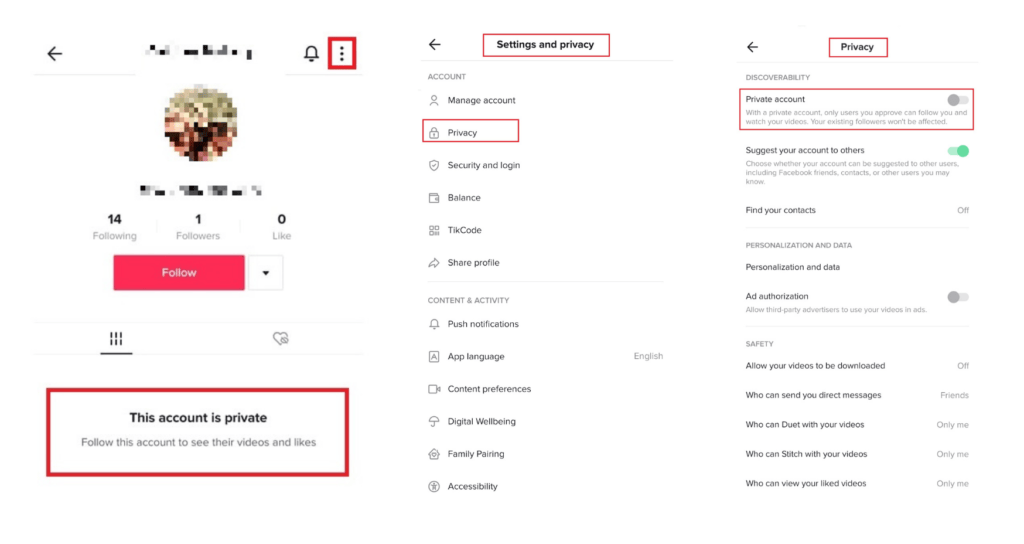
For TikTok users, they can take actions such as reviewing privacy settings, limiting the information they share, managing their content, and making choices in how they will participate on this platform.
The form of resistance for users is also limited, as they can make individual choices about their own actions, but they can not remove the platform’s underlying systems of data collection and algorithmic decision-making. Kazansky (2021, p. 2) explains that individual renaissance does not necessarily eliminate the risk that is associated with data collection.
The control that users have does not equal ro the control that the platform holds, as they only have a limited agency. Users are able to respond to the system of TikTok; however, they can not ocntoel they system themself.
Resistance beyond the individual
Although the responsibility of the platform power does not that the fall entirely on individual users, the users can make the choice about their own privacy and participation; broader changes can also involve the platforms and governments.
Government can place limits and regulations on platform power through privacy and data protection laws, whereas the platform is able be xpected to provide clearer information about how it collects, processes, and uses personal information.
As this is important because individual users do not have the ability to solve every problem through their own choices. A user can change their privacy setting; however, they are not able to individually change how the platform’s wider data and technical systems are designed.
Resistance can therefore be happening at different levels. Users can make their individual choices, where as citizen can question how the platform is governed and demand greater transparency and accountability from digital platforms.

So, what can you do?
Leaving the platform of TikTok is not the only form of resistance as users can make choice around their participation where government and the platforms can also help to play a role in shaping how the digital power operates.
As a user: You can Check the privacy setting and think carefully into the information that you are sharing with the platform at the same time use the available privacy and content controls that you have, and question decisions that affect your privacy, content and participation.
As a citizen: We could take action in discussions about digital rights and support greater transparency and accountability in how digital platforms collect and use personal information.
The actions metioend will nto remove the power that TikTok have but they can all the users to not be completely powerless. Resistance can involve making individual choice questioning platform decisions and challenging how digital platforms are governed.

